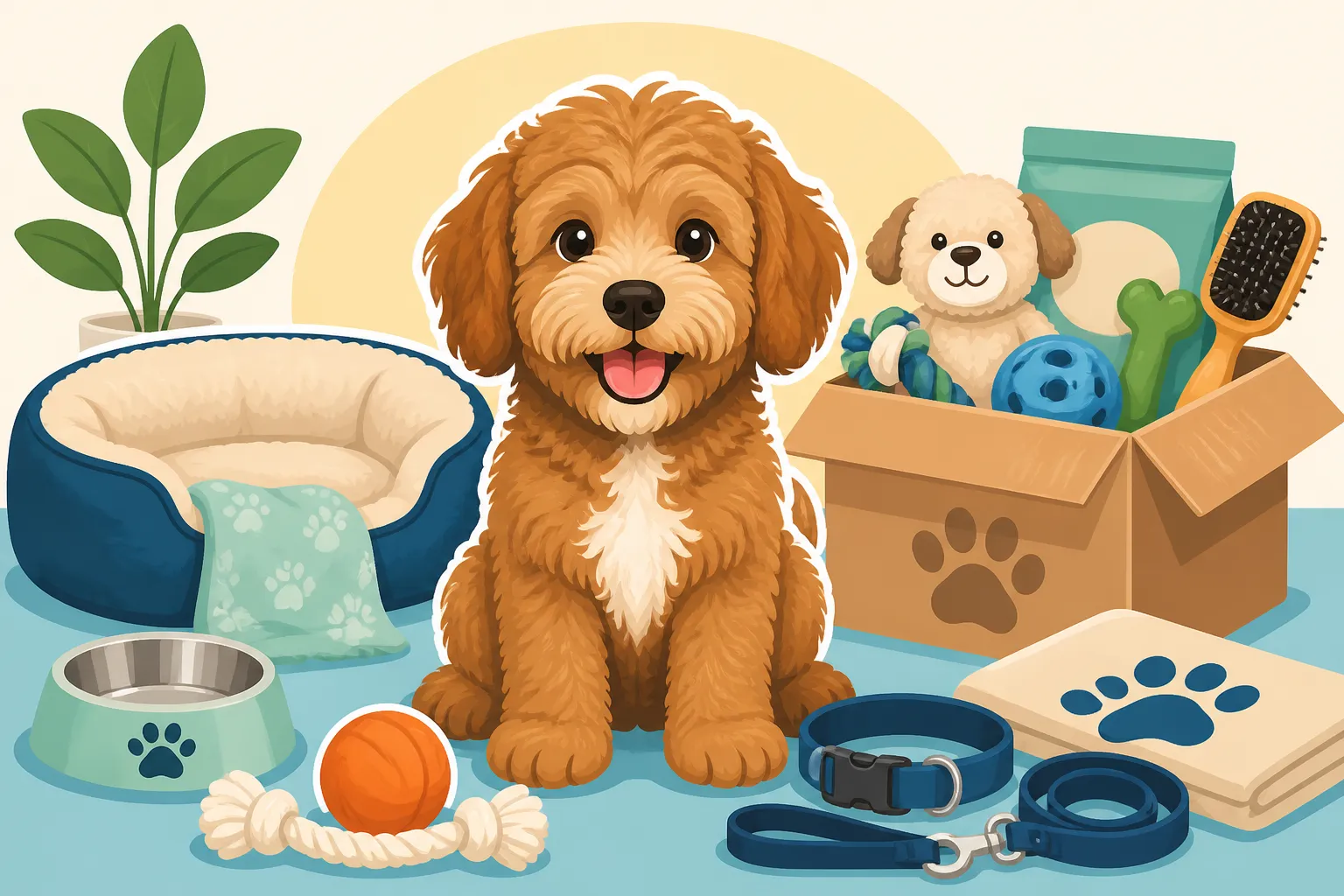
Kitting Out a Cockapoo Before It Comes Home
Oh, the sheer joy and a tiny bit of panic that comes with knowing a Cockapoo puppy is about to join your family! It's such an exciting time, but let's be real, the thought of getting everything just right before they even step paw in the door can feel like a massive undertaking. You want to be prepared, to ensure a smooth transition for your new furry friend, and frankly, to avoid that mad dash to the pet store at 10 PM because you forgot something crucial. This guide is all about helping you tick off every box, so you can confidently welcome your Cockapoo home, fully equipped and ready for those first precious moments.
Setting Up the Welcome Wagon: Essential Supplies for Arrival Day
That first day your Cockapoo arrives is going to be a whirlwind of excitement, snuggles, and probably a few nervous pees. Having the absolute essentials ready will make a world of difference, not just for your sanity, but for helping your new puppy feel secure. Think of it as creating their very own starter kit, so they know exactly where to eat, sleep, and play.
The Crate: A Safe Haven, Not a Prison
Many people envision a crate as a place of punishment, but for a Cockapoo, especially a puppy, it should be their den – a safe, cozy space where they can retreat. Choosing the right size is critical. It needs to be large enough for them to stand up, turn around, and lie down comfortably, but not so big that they can relieve themselves in one corner and sleep in another. Many crates come with dividers, which are fantastic for adjusting the space as your puppy grows, preventing accidents and helping with potty training.
Think about where this crate will live. Ideally, it should be in a quiet corner of a busy family room, or perhaps your bedroom at night, so they don't feel isolated. Line it with a soft, washable blanket or a comfortable crate mat. Remember, this isn't just a bedtime spot; it's a calm sanctuary your Cockapoo can choose to go to throughout the day when they need a little peace and quiet away from the hustle and bustle of family life. Consistency is key here; a positive association with their crate from day one will pay dividends.
Food and Water Bowls: More Than Just Dishes
While seemingly straightforward, the choice of food and water bowls can impact your Cockapoo's comfort and hygiene. Stainless steel bowls are often recommended by vets because they are durable, easy to clean, and don't harbor bacteria like some plastic alternatives can. Look for bowls with non-skid bottoms to prevent them from sliding all over the floor during enthusiastic meal times, or consider a mat to put under them.
For water, especially if you have a puppy, you might want to start with a slightly heavier bowl that's harder to tip over. Some owners find automatic water dispensers helpful, but for a new puppy, being able to monitor their water intake is important. Make sure fresh water is available at all times. When it comes to food, consistency is crucial. Find out what your puppy has been eating from their breeder and purchase a small bag of the same food. A sudden change in diet, on top of all the other stressors of a new home, can lead to an upset tummy. You can gradually transition them to your preferred food over a week or two once they've settled in. Feeding a Teacup Cockapoo or Feeding a Maxi Cockapoo might offer more insights depending on your pup's expected adult size.
Leash, Collar, and Harness: Starting Early with Good Habits
Even if your Cockapoo puppy isn't ready for long walks, having a properly fitting collar and a lightweight leash ready is essential for those first potty breaks in the yard and beginning leash training. A soft, adjustable collar is best for a puppy, ensuring it's not too tight (you should be able to fit two fingers underneath comfortably) and not so loose that they can slip out. Don't forget an ID tag with your contact information, just in case.
For those first ventures outside the yard, or if you anticipate your Cockapoo being a strong puller later on, a harness can be a great option. Harnesses distribute pressure across their chest and shoulders rather than their delicate neck and throat. Start by letting your puppy wear the collar for short periods indoors, gradually introducing the leash in a positive way with treats and praise. Getting them used to these items early makes future walks and vet visits much smoother.
Creating a Safe and Stimulating Environment
Bringing a puppy home isn't just about buying things; it's about transforming your living space into a safe, engaging, and enriching environment where your Cockapoo can thrive. This involves a bit of detective work and some clever planning to minimize hazards and maximize fun.
Puppy-Proofing Your Home: Avoiding Hidden Dangers
Just like bringing home a human baby, puppy-proofing is non-negotiable. Cockapoos, especially as puppies, are naturally curious and love to explore with their mouths. This means anything at puppy-level is fair game for chewing or swallowing. Get down on your hands and knees and look at your home from a puppy's perspective.
- Electrical Cords: Secure or hide all electrical cords. Puppy teeth can easily chew through them, leading to dangerous shocks.
- Toxic Plants: Identify and remove any houseplants that are toxic to dogs. Common culprits include lilies, sago palms, azaleas, and diffenbachia.
- Small Objects: Pick up anything small enough to be swallowed – coins, dropped pills, children's toys, rubber bands, pens, and even loose rug tassels. These can cause choking or intestinal blockages.
- Cleaning Supplies & Medications: Ensure all cleaning products, medications (both human and pet), and chemicals are stored securely in high cupboards or locked cabinets.
- Trash Cans: Invest in trash cans with secure lids, or keep them behind closed doors. Cockapoos are smart and resourceful when it comes to finding interesting smells!
- Secure Fences and Gates: If you have a yard, check your fencing for any gaps or weaknesses a curious Cockapoo might exploit. Install baby gates inside your home to block off areas that are off-limits, like stairs or rooms with too many hazards. This also helps manage their space as they learn house rules.
Taking the time to puppy-proof thoroughly before they arrive will save you a lot of stress and potential vet visits down the line. What a Cockapoo Puppy Chews Through in Six Months might give you an idea of the sheer chewing power they possess!
Toys and Chews: Engaging Minds and Soothing Gums
Toys aren't just for fun; they're vital for a Cockapoo's mental stimulation, physical exercise, and especially for redirecting their natural urge to chew away from your furniture. For puppies, a variety of textures and types is best.
- Chew Toys: Rubber chew toys, like those from Kong, are excellent for teething puppies and can be stuffed with treats to keep them occupied. Look for durable, non-toxic materials. Have a variety available so they don't get bored.
- Puzzle Toys: These require your Cockapoo to think to get a treat, providing fantastic mental enrichment. They can help prevent boredom and destructive behaviors when you can't actively play with them.
- Soft Toys: A few soft, cuddly toys can provide comfort, especially during those first nights away from their littermates. Just make sure they don't have small parts that can be chewed off and swallowed.
- Rope Toys: Great for supervised tug-of-war, which can be a wonderful way to bond and expend energy.
Always supervise your puppy with new toys to ensure they are safe and durable. Rotate toys to keep things interesting. A happy puppy is one who has appropriate outlets for their energy and instincts.
Potty Training Essentials: Accidents Will Happen
Let's be realistic: accidents are part of bringing a puppy home. But having the right tools can help minimize them and make cleanup easier.
- Enzymatic Cleaner: This is your best friend. Regular cleaners might remove the visible stain, but an enzymatic cleaner breaks down the odor molecules that can attract your puppy back to the same spot. Keep a good supply on hand for those inevitable mishaps.
- Puppy Pads: While some owners prefer to skip pads and go straight to outdoor training, they can be useful for initial training, especially if you live in an apartment or are away for short periods. If using them, ensure they are consistently placed in one spot.
- Designated Potty Area: Decide where you want your Cockapoo to relieve themselves in the yard. Take them to this spot consistently, offering praise and a small treat every single time they go there. This positive reinforcement is key to fast and effective potty training. The Weeks a Cockapoo Takes to Ask to Go Out highlights the learning curve involved.
Long-Term Health and Happiness: Beyond the Basics
Once your Cockapoo is home and settled, your focus will shift to their ongoing well-being. This includes regular grooming, a nutritious diet, preventative healthcare, and continued training. Being proactive in these areas sets the stage for a long, happy, and healthy life together.
Grooming Tools: Taming that Cockapoo Coat
The Cockapoo coat is famous for being low-shedding, but it definitely isn't low-maintenance! Depending on whether your pup has a straight, wavy, or curly coat, your grooming routine will vary, but certain tools are universal. The Three Cockapoo Coat Types and Their Upkeep is a must-read to understand what you're in for.
Here’s a basic list to start:
| Item | Purpose | Why it's Important |
|---|---|---|
| Slicker Brush | Removes loose hair, prevents mats, detangles | Essential for daily brushing, especially for wavy or curly coats, to prevent uncomfortable matting that can lead to skin issues. |
| Metal Comb (Fine/Wide) | Finds mats the slicker brush misses, checks for tangles | Crucial for getting down to the skin and ensuring no mats are hiding. Use the fine end for the face and ears. |
| Nail Clippers/Grinder | Keeps nails short and comfortable | Overgrown nails can be painful, affect gait, and even cause foot problems. Start early to get them used to it. |
| Ear Cleaning Solution | Prevents ear infections | Cockapoos have floppy ears that can trap moisture and wax. Regular cleaning is vital. |
| Dog-Specific Shampoo | Cleans and maintains coat health | Human shampoos can irritate dog skin. Choose a gentle, moisturizing formula. |
| Detangling Spray | Helps with stubborn knots | Makes brushing easier and more comfortable for your pup. |
Start grooming sessions early and make them positive experiences with treats and praise. Even if your puppy doesn't have much coat yet, getting them used to the sensations of brushing, nail trims, and ear cleaning will make future grooming much less stressful for both of you. Many Cockapoo owners find that investing in professional grooming every 6-8 weeks is essential, but daily home care is still necessary between appointments. What Each Cockapoo Coat Type Costs at the Groomer can help you budget for professional care.
Nutrition and Diet: Fueling a Healthy Life
Your Cockapoo's diet plays a huge role in their overall health, energy levels, and even coat condition. There are so many food options out there – kibble, wet food, fresh food, raw food – it can feel overwhelming. The key is to choose a high-quality food appropriate for their life stage (puppy, adult, senior) and size.
Look for reputable brands that list a named meat source as the first ingredient and avoid excessive fillers. Companies like Chewy offer a vast selection, making it easy to compare ingredients and find something that suits your Cockapoo's needs and your budget. If you're considering fresh food options, services like Ollie deliver tailored meals right to your door, which can be fantastic for sensitive stomachs or picky eaters. Always consult your vet before making drastic dietary changes. Remember, a healthy diet is the foundation of a healthy dog. Whether a Grain Free Diets Threaten a Cockapoo's Heart and Whether a Cockapoo Can Eat Raw are important considerations to research.
Healthcare Planning: Peace of Mind for the Unexpected
While we hope our Cockapoos are always healthy, the reality is that vet visits, vaccinations, and unexpected illnesses or injuries are part of pet ownership. Being prepared financially and practically can alleviate a lot of stress.
- First Vet Visit: Schedule your puppy's first vet check-up within a few days of bringing them home. This allows your vet to assess their health, discuss vaccination schedules, deworming, and parasite prevention. It’s also a great opportunity to ask any questions you have.
- Pet Insurance: This is something many new pet owners overlook, but it can be a lifesaver. Investing in pet insurance, from providers like Healthy Paws, early on can help cover unexpected vet bills from accidents, illnesses, and even some hereditary conditions. Policies vary widely, so research what they cover and what exclusions might apply, especially for breeds prone to certain issues like Familial Nephropathy and the Kidneys a Cockapoo Can Inherit or Progressive Retinal Atrophy in a Cockapoo.
- Microchip and Registration: Ensure your Cockapoo is microchipped and that their registration details are up to date with your contact information. This is one of the most effective ways to reunite with your dog if they ever get lost.
- Basic First Aid Kit: Assemble a simple kit with essentials like antiseptic wipes, sterile gauze, vet wrap, blunt-tipped scissors, and tweezers. This can be invaluable for minor scrapes or injuries until you can get to the vet.
Preparing for your Cockapoo's arrival is a labor of love, but it’s an investment that pays off in countless happy memories and a confident start for your new family member.
Disclaimer
This article is for general informational purposes only and does not constitute professional advice. Laws, prices and regulations vary by location and change over time. Consult a qualified professional for guidance on your specific situation.