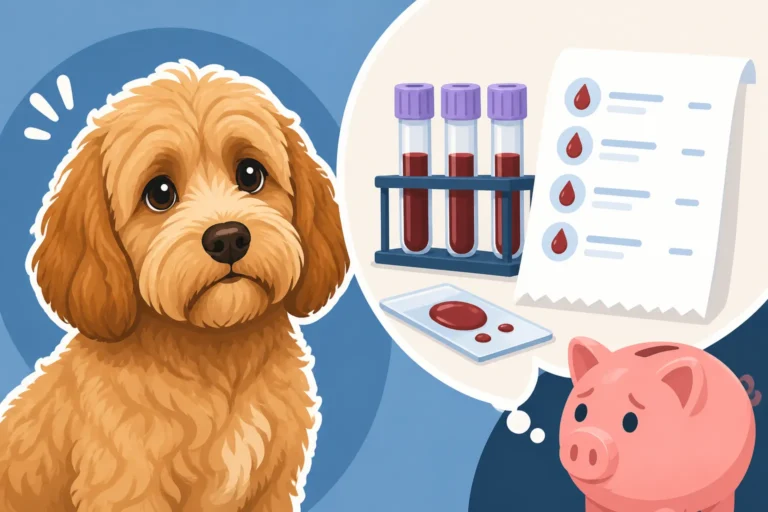
What Buying a Cockapoo With Breeding Rights Costs
It's an exciting thought, isn't it? Imagining your adorable Cockapoo puppy growing up and perhaps even producing a litter of its own someday. Many people fall in love with the breed and feel a pull to contribute to their lines. However, the journey of acquiring a Cockapoo with the intent to breed involves a significant financial commitment and a deep dive into ethical responsibilities that go far beyond the initial purchase price of a pet puppy. This guide will walk you through the often-unseen costs and crucial considerations when you're thinking about buying a Cockapoo with breeding rights.
Understanding the Concept of Breeding Rights for a Cockapoo
When you first start looking for a Cockapoo puppy, you'll quickly notice a price difference between a "pet-only" puppy and one advertised with "breeding rights." This isn't just a small surcharge; it's a fundamental shift in the purpose and potential value of the dog you're acquiring, and it comes with a whole new layer of responsibility.
What "Breeding Rights" Actually Mean for a Cockapoo
For purebred dogs, "breeding rights" typically refer to obtaining full registration with a kennel club like the American Kennel Club (AKC), as opposed to limited registration. Limited registration means the dog is still a purebred, but its offspring cannot be registered. Since Cockapoos are a crossbreed, they don't have AKC registration. However, the concept of breeding rights still applies through the breeder's contract and, for some, through specific Cockapoo clubs like the Cockapoo Club of America or the American Cockapoo Club.
When a reputable Cockapoo breeder sells a puppy with "breeding rights," they are essentially releasing the restrictions that would normally be placed on a pet-only sale. This means they are giving you permission to breed that specific dog and register its future offspring with certain associations or, more commonly, within the framework of your agreement with them. This permission is rarely given lightly. Most pet Cockapoos are sold on a spay/neuter contract, meaning you agree to have your dog altered by a certain age and not to breed it. This protects both the individual dog and the breed from irresponsible breeding practices. A breeding rights agreement, therefore, signifies a serious commitment on your part to uphold the health and standards of the Cockapoo.
Why the Cost Jumps Significantly
The price jump for a Cockapoo with breeding rights isn't just about an extra piece of paper; it reflects the immense value a responsible breeder places on their bloodlines and the future health of the breed. When a breeder offers you a dog with breeding rights, they are entrusting you with years of careful selection, health testing, and genetic screening that went into creating that puppy's parents. They've invested time, money, and emotional energy into ensuring their breeding stock is sound and healthy, striving to produce puppies free from common genetic issues like Familial Nephropathy and the Kidneys a Cockapoo Can Inherit or Progressive Retinal Atrophy in a Cockapoo.
This isn't a simple transaction. The breeder is often looking for someone who understands the commitment involved, someone who will continue their legacy of responsible breeding. The higher price also serves as a barrier to entry, deterring individuals who might be looking to breed purely for profit without understanding the necessary investment in health, time, and education. It's a way for ethical breeders to ensure their carefully planned genetics don't fall into hands that might undo all their hard work. Think of it as purchasing not just a puppy, but a share in a carefully cultivated genetic future.
The Financial Layers of Breeding Rights
When you see a price for a Cockapoo with breeding rights, remember that this is just the initial cost. The financial journey is much longer and more complex than simply paying a premium upfront.
The Initial Purchase Price Premium
Let's talk numbers, or rather, the shape of those numbers, because specific prices vary wildly. If a pet-only Cockapoo puppy from a reputable breeder might cost in the range of a few thousand dollars, a puppy sold with breeding rights could easily be double, triple, or even more. We're talking about a significant financial jump. For instance, if a pet puppy is offered at one price, a breeding-quality puppy could be offered at a point representing a 50% to 100% or even higher increase. This isn't arbitrary.
This premium covers several things from the breeder's perspective:
- Investment in Breeding Stock: The breeder has likely spent a substantial amount of money acquiring their own breeding dogs, potentially flying them in from across the country or even internationally, paying for their health testing, and ensuring they are exemplary representations of the breed (or the parent breeds in the case of a cross).
- Time and Effort in Puppy Rearing: Raising a litter properly is an enormous undertaking. From prenatal care for the mother, to whelping assistance, early neurological stimulation, socialization, initial vet checks, vaccinations, and microchipping – these are all costs and labor-intensive efforts that are absorbed into the price of every puppy, but even more so for a breeding prospect.
- Mentorship and Support: Often, a reputable breeder who sells breeding rights will also offer ongoing mentorship. They'll guide you through health testing, breeding protocols, whelping, and puppy care. This invaluable support, built on years of experience, is implicitly part of the breeding rights premium. You're not just buying a dog; you're often buying into a network of knowledge and support.
This isn't just a "fee" you pay to unlock a feature; it's a reflection of the potential future value of the dog's offspring and the trust the original breeder is placing in you to maintain quality and ethical standards. They are, in essence, selling you a foundation for your own potential breeding program.
Beyond the Sticker Price: Ongoing Costs for a Breeding Cockapoo
The initial purchase price, while substantial, is merely the tip of the iceberg. Maintaining a Cockapoo for breeding purposes involves continuous, significant financial outlays.
Here's a breakdown of what you can expect:
- Advanced Health Testing: A breeding dog requires far more extensive health testing than a pet. This isn't just about one vet visit; it's a battery of tests that can easily run into hundreds or thousands of dollars annually. For Cockapoos, this often includes:
- Orthopedic Evaluations: Hip and elbow scoring (OFA or PennHIP) to screen for dysplasia, especially for larger Cockapoos. You might also need patella (kneecap) evaluations for smaller dogs to prevent Slipping Kneecaps in a Toy Cockapoo.
- Eye Certifications: Regular examinations by a veterinary ophthalmologist (CAER exams) to check for hereditary eye conditions like glaucoma or Progressive Retinal Atrophy in a Cockapoo. These might be needed yearly.
- Genetic Panels: DNA tests are crucial to screen for a host of conditions prevalent in Cocker Spaniels and Poodles that can affect Cockapoos. This includes tests for What Familial Nephropathy Does to a Cockapoo, Phosphofructokinase Deficiency in a Cockapoo, von Willebrand's Disease (a bleeding disorder), and several others. These panels ensure you're not passing on known genetic defects. The FN DNA Test a Cockapoo Breeder Runs is absolutely critical.
- Cardiac Screening: Depending on the parent lines, cardiac evaluations might be recommended to rule out heart murmurs or other congenital heart issues.
- Thyroid Function Tests: Hypothyroidism can be an inherited condition, so screening for it is often advised.
- Specialized Nutrition and Supplements: Breeding dogs, especially pregnant and lactating females, have very specific nutritional needs. High-quality dog food is essential, and often specialized prenatal or performance formulas are required. Supplements for joint health, coat condition, and overall vitality become more critical. Brands like Ollie, known for its fresh, human-grade ingredients, or high-quality kibble from Chewy, can be part of this specialized diet.
- Reproductive Veterinary Care: This is a whole specialized field of veterinary medicine. Costs can include:
- Pre-breeding check-ups: Ensuring both male and female are in peak reproductive health.
- Progesterone Testing: For females, timing breeding accurately is crucial, and this requires multiple blood tests to track hormone levels. Each test can be a significant cost.
- Ultrasounds and X-rays: Confirming pregnancy, checking fetal viability, and counting puppies before birth.
- Potential Complications: Should a C-section be necessary, or if there are other whelping complications, emergency vet bills can quickly escalate into thousands of dollars.
- Stud Fees (if applicable): If you're breeding a female (dam), you'll likely need to pay a stud fee to the owner of the male (sire). This fee can be a flat amount, the price of a puppy, or a combination, and it reflects the quality, health testing, and reputation of the stud dog.
- Whelping Supplies and Infrastructure: You'll need a dedicated whelping box, heat lamps, puppy scales, specialized feeding tubes (for weak puppies), bedding, cleaning supplies, and more. This all adds up.
- Time Commitment: While not a direct financial cost, the time investment is immense. From managing health tests to overseeing breeding, assisting with whelping, and round-the-clock puppy care for the first several weeks, it's a full-time job. Many aspiring breeders underestimate this aspect, which can lead to burnout and less-than-optimal puppy care.
To offset some of these potential costs, considering pet insurance like Healthy Paws, which covers accidents and illnesses, might be a smart move, though policies often have exclusions for pre-existing conditions or certain breeding-related complications, so read the fine print carefully.
The Ethical and Practical Considerations
Beyond the financial aspects, owning a Cockapoo with breeding rights carries a heavy ethical and practical weight. It's not just about producing puppies; it's about responsibly stewarding the health, temperament, and future of the breed.
The Importance of a Reputable Breeder
If you're considering breeding, your first step is to acquire your foundation dog from an impeccable source. This means finding a breeder who not only offers breeding rights but does so with strict criteria and a commitment to mentorship. Don't just look for someone willing to take your money; look for someone willing to guide you.
What to look for:
- Transparency in Health Testing: A reputable breeder will openly share the health testing results for both parent dogs, not just a promise. They should have verifiable clearances for hips, elbows, eyes (yearly CAER exams), and DNA panels for conditions common in Cockers and Poodles. Ask to see actual certificates. If you are serious about breeding, you must insist on seeing The Five Certificates a Cockapoo Breeder Should Show.
- Clear Contracts and Guarantees: Their breeding rights contract should be detailed, outlining expectations for your dog's care, future health testing requirements, and any agreements regarding future litters. They should offer a health guarantee on the puppy.
- Mentorship Program: The best breeders offer ongoing support and guidance to those they entrust with breeding animals. This mentorship is invaluable for navigating the complexities of canine reproduction and responsible puppy rearing. They'll be there to answer questions about everything from The Coat Change That Ambushes a Cockapoo Owner at Ten Months to understanding whelping issues.
- Commitment to the Breed: They should be actively involved in preserving and improving the Cockapoo, not just churning out puppies. This might involve participation in events, or adhering to standards set by organizations like the American Cockapoo Club.
- Screening Process: Expect to be thoroughly vetted. A good breeder will want to know your intentions, your living situation, your experience with dogs, and your understanding of the responsibilities of breeding. This isn't an interrogation; it's them ensuring their beloved puppy goes to a home that aligns with their ethical standards.
Finding such a breeder is paramount. The initial investment in a well-bred, health-tested dog will save you immense heartache and expense down the line, both for you and for the puppies you eventually produce.
The Time and Commitment Beyond the Financial
Many people romanticize breeding, picturing adorable puppies playing happily. The reality, however, is far more demanding. Breeding is not a hobby you can dabble in; it's a profound commitment that requires immense time, emotional resilience, and an unwavering dedication to the well-being of dogs.
Consider these practical realities:
- Round-the-Clock Care: A pregnant female needs attentive care, especially as her due date approaches. Whelping is an intense process that often requires your presence, potentially for many hours, to assist, monitor, and intervene if necessary. Once puppies arrive, the first few weeks are a 24/7 job, involving feeding assistance, monitoring growth, ensuring warmth, and endless cleaning. Sleep becomes a luxury.
- Potential for Complications and Heartbreak: Not every breeding is successful, and not every litter is without challenges. You could face missed pregnancies, difficult births requiring emergency veterinary intervention, sick puppies, or even the loss of a puppy or the mother. These situations are emotionally devastating and can be financially crippling.
- Finding Responsible Homes: Your responsibility doesn't end when the puppies are weaned. You must meticulously screen potential puppy buyers, educate them, and ensure each puppy goes to a loving, responsible, and permanent home. This involves countless hours of interviews, background checks, and follow-ups.
- Lifelong Responsibility: A truly responsible breeder feels a lifelong responsibility for every puppy they produce. If an owner can no longer care for a dog, a good breeder will take it back, regardless of age. This commitment means you're not just selling a puppy; you're building a relationship with the new owners and standing by your dogs for their entire lives.
- Ongoing Education: The world of canine genetics, health, and behavior is constantly evolving. A responsible breeder is always learning, attending seminars, reading research, and staying abreast of the latest information to improve their practices.
It's a huge undertaking, far beyond simply feeding a few extra bowls of food (which can be sourced from Chewy, for example, along with all your whelping supplies!) or giving a few extra cuddles. It requires a passion for dogs that transcends profit motive and a deep understanding of what it means to bring new life into the world responsibly.
Weighing the Investment: Is It Worth It?
So, after considering the significant costs and profound commitments, the question remains: is buying a Cockapoo with breeding rights truly worth it for you? The answer depends entirely on your motivations, resources, and dedication.
For the Aspiring Breeder
If you're an aspiring breeder, you need to honestly assess your motivations. Is it a genuine passion for the Cockapoo breed, a desire to produce healthy, well-tempered dogs, and a commitment to upholding ethical standards? Or is it primarily driven by the thought of earning income from cute puppies? The latter often leads to cutting corners, sacrificing animal welfare for profit, and ultimately contributing to the problem of irresponsible breeding.
- Realistic Assessment: Breeding is rarely a profitable venture when done correctly. The costs of health testing, quality care, unexpected vet bills, and time investment often mean that, at best, you break even, or even operate at a loss. True breeders are driven by passion, not profit.
- Mentorship is Key: If you're serious, seek out a mentor. The breeder you acquire your dog from should ideally be that person. Their guidance will be invaluable as you learn the ropes of genetics, reproduction, puppy rearing, and placement.
- Long Learning Curve: Be prepared for a significant learning curve. You'll need to understand genetics, nutrition, veterinary care, puppy development, and responsible client communication. It's a continuous educational process.
- Ethical Obligation: Every breeding decision has a ripple effect. You have an ethical obligation to ensure that every puppy you bring into the world is healthy, well-socialized, and placed in a responsible home, contributing positively to the overall Cockapoo population. This commitment lasts for the dog's entire The Fourteen to Eighteen Years a Cockapoo Lives.
For the Pet Owner
For the vast majority of people, acquiring a Cockapoo as a cherished family member, rather than a breeding prospect, is the far simpler and more rewarding path.
- Peace of Mind: A pet-only puppy, purchased on a spay/neuter contract, eliminates the immense pressure and responsibility of breeding. You can simply enjoy your companion without the worries of health testing protocols, timing breedings, or managing litters. You also won't have to worry about the specific demands of feeding a pregnant dog or navigating potential complications.
- Cost Savings: While Cockapoos still require routine vet care, food (perhaps some delicious options from Ollie!), and grooming, you avoid the exorbitant costs associated with advanced health testing, specialized reproductive vet care, stud fees, and potential emergency C-sections. This allows you to focus your financial resources on ensuring your pet's overall health and happiness, like comprehensive pet insurance from Healthy Paws.
- Freedom and Flexibility: A pet-only Cockapoo allows you more flexibility in your lifestyle. You won't be tied down by breeding cycles, whelping schedules, or the round-the-clock demands of a litter. You can focus on training, socialization, and enjoying adventures with your dog, knowing it is purely a beloved family member.
- A Healthy Companion: A reputable breeder selling pet-only puppies will still have done all the necessary health testing on the parents. This means you still get a genetically sound puppy, but without the added responsibility of perpetuating the line yourself. You benefit from their hard work without having to take on the breeding mantle.
Ultimately, the decision to buy a Cockapoo with breeding rights should be made with a full understanding of the monumental investment of time, money, and emotional energy required. For most, the joy of a pet-only Cockapoo is more than enough.
| Feature | Pet-Only Cockapoo | Cockapoo with Breeding Rights |
|---|---|---|
| Initial Cost | Moderate to High (standard puppy price) | Significantly Higher (often 2-3x pet price or more) |
| Ongoing Vet Care | Routine check-ups, vaccinations, spay/neuter | Routine + extensive health screenings, reproductive vet visits, potential emergency care |
| Health Testing | Parent dogs tested by breeder | Must conduct ongoing, comprehensive tests (hips, eyes, DNA panels etc.) |
| Time Commitment | Training, exercise, daily care | Daily care + breeding management, whelping, puppy care (24/7 for weeks) |
| Ethical Responsibility | Care for the individual dog | Care for individual dog + future of the breed, responsible puppy placement |
| Registration | Limited (no offspring registration) | Full (offspring can be registered within club/contract) |
| Primary Goal | Companion animal | Contribute to breeding program, produce offspring |
Disclaimer
This article is for general informational purposes only and does not constitute professional advice. Laws, prices and regulations vary by location and change over time. Consult a qualified professional for guidance on your specific situation.