Whether a Maxi Cockapoo Grows Into Bad Hips
It’s a truly disheartening moment for any Cockapoo parent: seeing your beloved Maxi Cockapoo, full of life and joy, suddenly struggling with mobility. Many people worry whether their larger Cockapoo will inherit the dreaded "bad hips" that can plague bigger breeds. This guide will take a deep dive into hip dysplasia, exploring why Maxi Cockapoos can be susceptible, what responsible breeding looks like, and how you can nurture and protect your furry friend's joint health from puppyhood through their golden years.
Understanding Hip Dysplasia in Maxi Cockapoos
Hip dysplasia is a term that strikes fear into the hearts of many dog owners, especially those with larger breeds. When you have a Maxi Cockapoo, which can be quite substantial, it’s only natural to wonder if their size puts them at a disadvantage. It’s a complex condition, but understanding it is the first step toward prevention and management.
What Exactly is Hip Dysplasia?
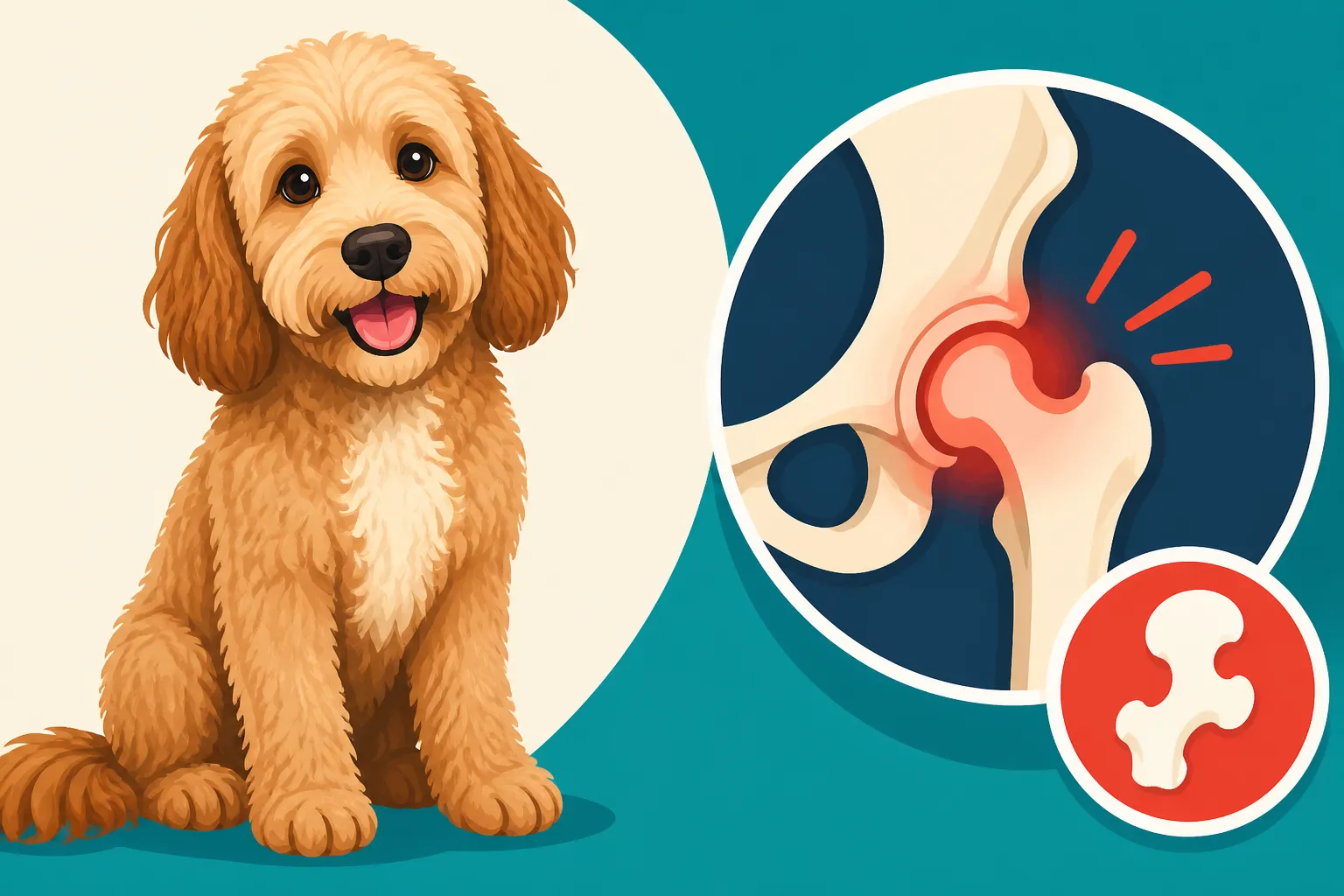
At its core, hip dysplasia is a malformation of the hip joint. Think of the hip as a ball-and-socket joint: the "ball" is the head of the femur (thigh bone), and the "socket" is part of the pelvis, called the acetabulum. In a healthy hip, this ball fits snugly and smoothly into the socket, allowing for fluid movement. With hip dysplasia, this fit isn't quite right. The socket might be too shallow, or the head of the femur might not be perfectly rounded. This misalignment causes the two bones to rub and grind, rather than glide smoothly.
Over time, this constant friction leads to wear and tear, inflammation, and eventually degenerative joint disease (osteoarthritis). The body tries to compensate by laying down new bone, but this only makes the joint less flexible and more painful. It's a progressive condition, meaning it often gets worse over time if not managed, and it can significantly impact a dog's quality of life, leading to chronic pain and lameness.
Why Maxi Cockapoos are at Higher Risk
Maxi Cockapoos, by their very nature, are a blend of a Cocker Spaniel and a larger Poodle, often a Standard Poodle, which means they can inherit traits from both parent breeds that contribute to hip dysplasia risk. Large and giant breeds generally have a higher incidence of hip dysplasia because their rapid growth rates and heavier body weight put more stress on developing joints. A Maxi Cockapoo might grow quickly, and this accelerated development can exacerbate any underlying genetic predisposition.
The genetic component is significant. Both Cocker Spaniels and Poodles, while generally healthier than some other breeds in this regard, can carry genes for hip dysplasia. If a Maxi Cockapoo has parents with less-than-ideal hip conformation or carries these genes, the risk dramatically increases. Furthermore, the combined traits can sometimes lead to an unpredictable outcome, as you're mixing two genetic pools. This is why understanding the lineage and health clearances of both parents is absolutely crucial, rather than just assuming a mixed breed is inherently healthier.
Recognizing the Early Warning Signs
Spotting hip dysplasia early in a Maxi Cockapoo can be challenging because dogs are masters at hiding pain. The signs can be subtle at first, often dismissed as just a "lazy day" or a bit of stiffness after a long nap. However, vigilance is key. You might notice a reluctance to go up or down stairs, or hesitancy to jump into the car or onto the couch. Your dog might show a decreased interest in walks or playtime, or even a slight lameness that comes and goes, particularly after heavy exercise.
One common sign is a "bunny hop" gait, where your Cockapoo uses both hind legs together to propel themselves forward, trying to minimize weight bearing on the affected hips. You might also observe stiffness, especially first thing in the morning or after resting, and a decreased range of motion in the hips. Sometimes, you can hear a clicking sound coming from the hips when your dog walks. If you gently feel their hips, they might seem less muscular than usual, or even tender to the touch. Any persistent changes in your Maxi Cockapoo’s gait or enthusiasm for movement warrant a vet visit. Learning about the subtle indicators, like The Gait That Gives Away a Cockapoo's Bad Hips, can be incredibly helpful for early detection.
The Critical Role of Responsible Breeding
When you're bringing a Cockapoo into your life, especially a larger one like a Maxi, the breeder you choose plays an absolutely foundational role in their future health. It's not just about getting a cute puppy; it's about ensuring you're not inadvertently setting yourself up for heartache and expensive vet bills down the line. Responsible breeding practices are paramount to mitigating the risks of conditions like hip dysplasia.
Genetic Screening and Health Clearances
A responsible breeder is transparent and proactive about the health of their breeding stock. For conditions like hip dysplasia, this means rigorous genetic screening and certifications from reputable organizations. The Orthopedic Foundation for Animals (OFA) and PennHIP are two of the most well-known programs for evaluating hip health in dogs. OFA issues ratings like Excellent, Good, Fair, Borderline, Mild, Moderate, and Severe, based on X-rays. PennHIP provides a quantitative measurement of hip laxity, which is a strong predictor of future hip dysplasia.
When inquiring about a Maxi Cockapoo puppy, you should always ask to see the OFA or PennHIP certificates for both parent dogs. Don't just take their word for it! A good breeder will proudly show these documents and explain what they mean. They will be using dogs with hip ratings of Fair or better, ideally Good or Excellent. Any breeder who says their dogs haven't been tested, or that "mixed breeds don't get hip dysplasia," is a huge red flag. This commitment to testing significantly reduces the likelihood of passing on faulty genes, and it's a non-negotiable aspect of ethical breeding.
Understanding Parent Breed Contributions
The beauty of the Cockapoo lies in its hybrid vigor, combining the best traits of the Cocker Spaniel and the Poodle. However, it also means inheriting potential predispositions from both. When it comes to hip dysplasia, both parent breeds have documented instances of the condition, though it's more prevalent in some Poodle lines (especially Standard Poodles) and certain Cocker Spaniel lines.
An English Cocker Spaniel might have a different hip structure predisposition compared to an American Cocker Spaniel. Similarly, the specific Poodle lineage (Toy, Miniature, Standard) used to create the Maxi Cockapoo can influence joint health. A conscientious breeder won't just say "Poodle" or "Cocker"; they'll be able to tell you about the specific lines their dogs come from, their health history, and what steps they've taken to ensure sound joint health. They'll actively work to select breeding pairs that complement each other genetically, aiming to reduce the risk of inherited conditions. This is also why knowing Whether a Cockapoo Breeder Must Test Both Cockapoo Parents is so crucial.
Avoiding Risky Breeding Practices
Unfortunately, the popularity of "designer dogs" like the Cockapoo has led to an increase in unscrupulous breeders and puppy mills. These operations are often driven solely by profit, with little regard for the health and well-being of the animals. They typically skip essential health screenings like hip evaluations, breeding dogs with unknown genetic histories or even those already showing signs of inherited problems. The result? Puppies that are predisposed to a lifetime of pain and expensive veterinary care.
Purchasing a Maxi Cockapoo from an unregistered breeder, a pet store, or online without meeting the parents or seeing their living conditions is a massive gamble. While the initial price might seem lower, the long-term costs of treating conditions like severe hip dysplasia can be astronomical, not to mention the emotional toll. Always visit the breeder's facility, meet both parent dogs (if possible), ask extensive questions about their health clearances, and look for signs of a clean, caring environment. A breeder who rushes you, won't show you health certificates, or has multiple litters constantly available, should be avoided at all costs. Your puppy's future health, including their Joints in a Cockapoo Bred From Four Sizes, depends on these choices.
Nurturing Healthy Hips from Puppyhood
Bringing home a Maxi Cockapoo puppy is an exciting time, filled with cuddles and playful antics. But it's also a critical period for their physical development, especially when it comes to joint health. The choices you make regarding their nutrition, exercise, and overall care during these formative months can have a profound impact on whether they develop problems like hip dysplasia later in life.
Optimal Nutrition for Growing Joints
Proper nutrition is absolutely foundational for a Maxi Cockapoo puppy’s developing skeleton and joints. It's not just about feeding them enough, but about feeding them right. Large breed puppy formulas are specifically designed to support steady, controlled growth, rather than rapid weight gain. While it might seem counterintuitive, you don’t want your Maxi Cockapoo puppy to grow too quickly, as this puts undue stress on their developing bones and joints, increasing the risk of hip dysplasia. Look for foods with appropriate calcium and phosphorus ratios, and moderate protein and fat levels.
Avoid overfeeding at all costs. Free-feeding, where food is always available, can lead to excessive weight gain and rapid growth. Instead, feed measured meals according to your vet’s advice and the food manufacturer’s guidelines for large breed puppies. Some owners consider joint supplements like glucosamine and chondroitin, but it’s crucial to discuss this with your veterinarian first. They can advise whether supplements are necessary, which brands are reputable, and the correct dosage for your growing Maxi Cockapoo, keeping in mind that too much of a good thing can sometimes be detrimental. Learning how to best support your pup with Feeding a Maxi Cockapoo properly is essential.
Controlled Exercise and Play
While a Maxi Cockapoo puppy certainly has boundless energy, controlled exercise is key to protecting their developing joints. High-impact activities like excessive jumping, long runs on hard surfaces, or intense agility training should be avoided until their growth plates have closed, typically around 12-18 months for larger breeds. Think low-impact activities: short, frequent walks on soft surfaces like grass, gentle playtime in the yard, and supervised swimming (once they're strong enough) are ideal.
Tossing a ball repeatedly for long periods, encouraging them to jump high for toys, or allowing them to constantly bound up and down stairs can put unnecessary strain on their fragile hip joints. Instead, engage them with puzzle toys, short training sessions, and interactive games that don't involve jarring movements. As they mature, you can gradually increase the intensity and duration of exercise, always watching for any signs of discomfort or lameness. The goal is to build muscle tone around the joints without causing stress or injury.
Maintaining a Healthy Weight
Perhaps one of the most critical factors in preventing and managing hip dysplasia in a Maxi Cockapoo, both as a puppy and an adult, is maintaining a healthy weight. Extra pounds put enormous stress on the hip joints, exacerbating any existing laxity or accelerating the progression of arthritis. Imagine carrying a backpack filled with bricks all day – that’s what even a few extra pounds feel like for your dog’s joints.
Regularly monitor your Maxi Cockapoo’s weight and body condition. You should be able to easily feel their ribs without pressing hard, and they should have a visible waist when viewed from above and a tuck-up when viewed from the side. If you're unsure, ask your veterinarian to assess their body condition score at routine check-ups. Adjust their food intake and exercise levels as needed to keep them in ideal shape. This commitment to weight management throughout their life can significantly delay the onset and severity of hip dysplasia, and improve their overall comfort and mobility.
Living with a Maxi Cockapoo and Hip Concerns
Even with the best breeding and puppyhood care, hip dysplasia can sometimes develop. If your Maxi Cockapoo begins to show signs of hip pain or stiffness, it's not the end of the world. There are many ways to manage the condition and ensure your beloved companion can continue to enjoy a good quality of life. The key is early diagnosis and a comprehensive management plan developed with your veterinarian.
Managing Symptoms and Pain
The first step in managing hip dysplasia is an accurate veterinary diagnosis, which typically involves a physical exam, gait analysis, and X-rays. Once confirmed, your vet will work with you to create a pain management strategy. This often includes Non-Steroidal Anti-Inflammatory Drugs (NSAIDs), like Rimadyl or Metacam, which help reduce pain and inflammation in the joints. For more severe pain, other medications such as gabapentin or tramadol might be prescribed.
Beyond medication, there are several things you can do at home. Provide a soft, comfortable bed that supports their joints, and ensure they have easy access to food and water without having to climb stairs. Keep walks shorter and more frequent, avoiding activities that seem to worsen their discomfort. It's about finding a balance between activity and rest, ensuring they stay mobile without overdoing it. Consistent pain management is vital to maintaining their comfort and preventing further joint damage.
Supportive Therapies and Lifestyle Adjustments
Beyond medication, a range of supportive therapies can significantly improve your Maxi Cockapoo's quality of life. Physical therapy, tailored by a certified canine rehabilitation specialist, can help strengthen the muscles around the hip joint, improve flexibility, and reduce pain. This might include exercises, massage, and therapeutic ultrasound. Hydrotherapy, or underwater treadmill therapy, is particularly beneficial as the buoyancy of the water reduces weight bearing on the joints while still allowing for exercise and muscle building.
Lifestyle adjustments at home are also crucial. Consider ramps or steps to help your Cockapoo get onto furniture or into the car, eliminating stressful jumps. Invest in orthopedic dog beds that provide superior joint support. Ensure your home has non-slip flooring, or place rugs on slick surfaces to prevent slipping, which can aggravate painful hips. Maintaining a warm environment, especially in colder months, can also help ease joint stiffness. Even simple changes, like modifying their The Miles a Cockapoo Wants Every Day to suit their capabilities, can make a huge difference.
Surgical Options and Prognosis
When conservative management isn't enough to alleviate pain or maintain mobility, surgical intervention might be considered. The type of surgery depends on the dog's age, size, and the severity of the dysplasia. For younger dogs with specific forms of hip dysplasia, a Triple Pelvic Osteotomy (TPO) or Juvenile Pubic Symphysiodesis (JPS) may be options, aiming to improve the fit of the ball and socket before significant arthritis develops.
For more severe cases, or in older dogs, a Femoral Head Ostectomy (FHO) might be performed, where the head of the femur is removed, and the body forms a "false joint" of scar tissue. This eliminates the painful bone-on-bone contact. The most comprehensive, but also most expensive, option is a Total Hip Replacement (THR), where the damaged hip joint is replaced with prosthetic implants. While surgery can offer excellent outcomes, it requires significant recovery time and commitment from the owner. Your vet will discuss the best options, prognosis, and associated costs, which can be substantial, so having a good pet insurance plan like Healthy Paws can be a real lifesaver here.
Proactive Care and Long-Term Wellness
Even if your Maxi Cockapoo shows no signs of hip dysplasia, adopting proactive care strategies is the best way to safeguard their joint health throughout their entire life. Think of it as investing in their comfort and mobility for years to come. Many simple habits and regular check-ups can make a world of difference.
Regular Veterinary Check-ups and Monitoring
Consistent veterinary care is your first line of defense. Regular check-ups, ideally twice a year for older dogs, allow your vet to monitor your Maxi Cockapoo's overall health, including their joint condition. During these visits, your vet will perform a physical examination, assess their gait, and evaluate their mobility and any signs of discomfort. They can spot subtle changes that you might miss in daily life.
These check-ups are also an opportunity to discuss any concerns you have, such as changes in activity level, stiffness, or reluctance to perform certain movements. Early detection of hip issues, or any other health concerns, allows for prompt intervention and management, which can significantly slow the progression of degenerative diseases and improve long-term outcomes. Remember that The Kidney and Eye Checks a Cockapoo Needs Yearly also include general orthopedic assessments, making these visits invaluable for comprehensive health monitoring.
The Role of Supplements and Alternative Treatments
Many owners explore supplements to support joint health, and there's a range of options available. Glucosamine and chondroitin are widely used to help maintain cartilage and joint fluid, potentially slowing down wear and tear. Omega-3 fatty acids, found in fish oil, are known for their anti-inflammatory properties, which can help reduce pain and swelling in arthritic joints. Always choose reputable brands and consult your vet before adding any supplements to your Cockapoo's diet, as dosages and effectiveness can vary.
Beyond traditional supplements, some owners find success with alternative therapies. Acupuncture, for instance, has shown promise in managing chronic pain associated with arthritis. Cold laser therapy can also help reduce inflammation and promote healing. While these treatments might not cure hip dysplasia, they can be excellent complementary therapies to improve comfort and mobility, working alongside conventional veterinary care.
Creating a Joint-Friendly Home Environment
Making your home as joint-friendly as possible can greatly enhance your Maxi Cockapoo's comfort and prevent further strain on their hips. Start by assessing your flooring: slippery surfaces like hardwood or tile can be challenging and even dangerous for dogs with joint issues. Consider placing runners, area rugs, or anti-slip mats in high-traffic areas.
Provide easy access to elevated spaces like beds or couches using ramps or pet stairs. This eliminates the need for jumping, which puts significant stress on hip joints. Ensure their sleeping areas are warm, draft-free, and equipped with a supportive orthopedic bed. If your dog spends time outdoors, ensure they have soft ground for resting and that any steps or obstacles are manageable. Simple modifications around the house can make a profound difference in their daily comfort and mobility, helping them navigate their world with greater ease and less pain.
| Hip Dysplasia Grade (OFA) | Description | Clinical Significance | Management Implications |
|---|---|---|---|
| Excellent | Femoral head deeply seated, tight and congruent joint space. | Ideal hip conformation, minimal risk of developing HD. | No specific management needed; continue general joint health practices. |
| Good | Well-formed, congruent hip joint; slightly less tight than excellent. | Healthy hips, low risk of developing HD. | Regular exercise, healthy weight, general joint care. |
| Fair | Minor irregularities; slightly incongruent hip joint. | Acceptable, but higher genetic predisposition to HD. | Monitor for symptoms, maintain ideal weight, consider joint supplements. |
| Borderline | Not clear if hips are normal or dysplastic; usually re-evaluated. | Uncertainty; may progress to mild HD. | Re-evaluate in 6-12 months. Strict weight management, controlled exercise. |
| Mild | Significant subluxation, shallow acetabulum, minor osteophyte formation. | Mild hip dysplasia; likely to show symptoms, develop arthritis. | Pain management, weight control, controlled exercise, supportive therapies. |
| **Moderate | Moderate subluxation, shallow acetabulum, significant osteophyte formation. | Moderate hip dysplasia; significant pain, lameness, progressive arthritis. | Aggressive pain management, physical therapy, consider surgical options. |
| Severe | Marked subluxation, very shallow acetabulum, extensive osteophyte formation. | Severe hip dysplasia; debilitating pain, lameness, poor quality of life. | Intensive pain management, usually requires surgical intervention (e.g., THR). |
Disclaimer
The information provided in this article is for general educational and informational purposes only, and does not constitute veterinary advice. Always consult with a qualified veterinarian or other animal health professional for any questions about your pet's health or medical conditions. Do not disregard professional veterinary advice or delay in seeking it because of something you have read here.