Skin and Coat Disease in a Cockapoo
Few things are as disheartening for a Cockapoo owner as seeing their beloved furry friend constantly itching, scratching, or developing unsightly skin issues. It's a frustrating cycle of paw licking, ear scratching, and endless discomfort that leaves both you and your dog feeling miserable. This comprehensive guide is here to shed light on the common skin and coat diseases that can affect Cockapoos, help you understand why they occur, and provide actionable steps for diagnosis, treatment, and long-term management to bring back that healthy, happy wag.
Understanding the Cockapoo Coat's Unique Challenges
The Cockapoo's charm lies largely in its delightful, often curly or wavy coat. But this beautiful inheritance, a blend of Cocker Spaniel and Poodle genetics, also comes with its own set of unique challenges when it comes to skin health. It's not just about looking good; it's about providing a healthy barrier against the world and keeping your dog comfortable.
The Poodle's Dry Skin vs. Cocker's Oily Coat
One of the biggest genetic balancing acts in a Cockapoo is the skin type it inherits. Poodles are generally known for having drier skin, often prone to flakiness or sensitivity, especially if not moisturized or conditioned properly. On the flip side, Cocker Spaniels, particularly American Cockers, are infamous for their propensity for oily skin and sebaceous glands that can go into overdrive, leading to a distinct "doggy odor" and issues like seborrhea.
When these two genetic predispositions meet in a Cockapoo, you can end up with anything in between, or sometimes, the worst of both worlds. Some Cockapoos might inherit the Poodle's tendency for dry, sensitive skin, which can become itchy, inflamed, and prone to secondary infections when compromised. Others might lean towards the Cocker's oilier skin, leading to clogged pores, yeast overgrowth, and a perpetually greasy feeling coat. You might even have a Cockapoo that has relatively balanced skin, but the dense, curly coat creates its own microclimate that traps moisture and heat, regardless of the underlying skin type, setting the stage for problems. It’s a real puzzle trying to figure out if your Cockapoo's skin sits greasy or dry, and often the best indicator is simply observing their natural state between baths.
The Impact of Furnishings and Curl
The "furnishings gene" (RSPO2) is what gives Cockapoos their signature teddy bear face, with longer hair on the muzzle, eyebrows, and legs, and often dictates the overall coat texture. Combine this with the curl gene (KRT71), and you have a recipe for a coat that ranges from flat and smooth (rare in true Cockapoos, often indicating an "improper coat") to wavy to tightly curled. Each of these coat types presents different grooming demands and, consequently, different risks for skin issues.
A tightly curled or dense wavy coat, while often low-shedding and appealing for allergy sufferers, can be a nightmare for skin health if not meticulously maintained. The density traps moisture close to the skin, creating a warm, damp environment where bacteria and yeast thrive. It also makes it incredibly difficult for air to circulate, which is essential for healthy skin. Furthermore, if these furnished coats are not brushed daily and thoroughly, they quickly mat. These mats pull at the skin, restricting blood flow, causing pain, and creating even more intense microclimates where parasites and infections can take hold. Conversely, even a straight coated Cockapoo, if one were to occur from improper breeding, would still require careful skin care to prevent other issues, although matting might be less of a concern.
Common Misconceptions About Hypoallergenic Coats
Many people choose a Cockapoo specifically because they are marketed as "hypoallergenic" or low-shedding. While it's true that many Cockapoos shed significantly less than a purebred Cocker Spaniel, and some individual dogs can be tolerated by people with mild allergies, the term "hypoallergenic" is often misunderstood and can lead to unrealistic expectations about skin health.
Firstly, no dog is truly 100% hypoallergenic. Allergies are typically triggered by dander (dead skin cells), saliva, and urine, not just hair. While a low-shedding coat means less dander is released into the environment, it doesn't eliminate it. Secondly, the dense, low-shedding coat, as mentioned, requires intensive grooming. If this grooming isn't done properly, the skin underneath can suffer. Owners who believe their "hypoallergenic" dog requires less grooming are often in for a rude awakening when faced with severe matting and underlying skin infections. It's vital to remember that a coat that sheds less often means that shed hair gets trapped in the existing coat, which is precisely what leads to matting if not brushed out regularly. This trapped hair, dead skin, and debris can become a breeding ground for problems.
Allergies: The Root Cause of Many Skin Issues
Just like people, Cockapoos can suffer from allergies, and these allergies are a leading cause of skin and coat problems. The constant itching, licking, and scratching driven by allergies can quickly compromise the skin barrier, opening the door for secondary infections that make the problem even worse. It’s a vicious cycle that needs to be identified and broken.
Environmental Allergies (Atopy)
Environmental allergies, often referred to as atopy or atopic dermatitis, are incredibly common in Cockapoos. These are allergic reactions to airborne particles like pollen from trees, grasses, and weeds, dust mites, mold spores, and even certain fabrics or household chemicals. The genetic predisposition for atopy can come from either the Cocker or Poodle side of their lineage, making Cockapoos particularly susceptible.
Symptoms typically manifest as intense itching, especially around the paws (leading to obsessive paw licking), face, ears, armpits, and groin. You might notice your Cockapoo scratching at their ears repeatedly, or perhaps you've even found hot spots on a Cockapoo that has been swimming because the dampness combined with an allergic flare-up provides the perfect storm for irritation and infection. The skin can become red, inflamed, thickened, and hyperpigmented (darkened) over time. In severe cases, constant licking and chewing can lead to open sores, scabs, and hair loss. Diagnosing atopy usually involves a combination of ruling out other conditions and sometimes specific allergy testing, which can determine if allergy testing a Cockapoo is worth it for your particular situation. Managing atopy often requires a multi-pronged approach, including medications (antihistamines, steroids, Apoquel, Cytopoint), immunotherapy (allergy shots or drops), and diligent environmental control.
Food Allergies and Sensitivities
While less common than environmental allergies, food allergies and sensitivities can also cause significant skin issues in Cockapoos. The symptoms can be very similar to environmental allergies, including itching, redness, ear infections, and gastrointestinal upset like vomiting or diarrhea. The key difference is that food allergies typically don't show seasonal patterns, and symptoms might be present year-round.
Common culprits for food allergies in dogs include proteins like beef, chicken, dairy, soy, and wheat. Identifying a food allergy usually involves an elimination diet, where your Cockapoo is fed a novel protein or hydrolyzed protein diet for 8-12 weeks. During this time, absolutely no other foods, treats, or flavored medications can be given. If symptoms resolve, ingredients are slowly reintroduced one by one to pinpoint the allergen. This process can be tedious and requires immense commitment, but it’s often the most reliable way to identify and manage food-related skin problems. It’s crucial to work with your veterinarian to ensure your dog receives complete nutrition during this process.
Contact Dermatitis and Irritants
Contact dermatitis occurs when your Cockapoo's skin comes into direct contact with an irritating or allergenic substance. Unlike atopy, which is an inhaled allergen, contact dermatitis is a direct skin reaction. This could be anything from harsh cleaning chemicals on your floor, certain types of grass, flea collars, shampoos, or even fabrics in their bedding.
The affected skin area will typically be where contact occurred – for instance, a rash on the belly if they lay on a freshly cleaned floor, or irritation around the neck from a new collar. Symptoms include redness, itching, bumps, and sometimes oozing lesions. The good news is that contact dermatitis is often easier to identify and treat than other allergies because you can often figure out what they came into contact with and remove it. However, it requires careful observation and a bit of detective work on your part. Avoiding known irritants and using hypoallergenic products designed for sensitive dog skin are critical preventative steps. For dogs prone to skin issues, even the wrong shampoo can exacerbate problems, leading to a lingering smell days after a bath if not properly rinsed and dried.
Infections That Plague Cockapoo Skin
When a Cockapoo's skin barrier is compromised, whether by allergies, improper grooming, or an underlying health condition, it becomes an open invitation for opportunistic infections. These infections often create a cycle of discomfort, further damaging the skin and prolonging healing.
Yeast Infections and Their Tell-Tale Signs
Yeast infections, primarily caused by the Malassezia pachydermatis yeast, are incredibly common in Cockapoos, especially in areas where moisture and warmth are trapped. This includes the ears, between the paw pads, in skin folds, and under dense coats. The long, floppy ears of a Cockapoo, inherited from their Cocker Spaniel side, create a warm, moist, dark environment that is practically a breeding ground for yeast.
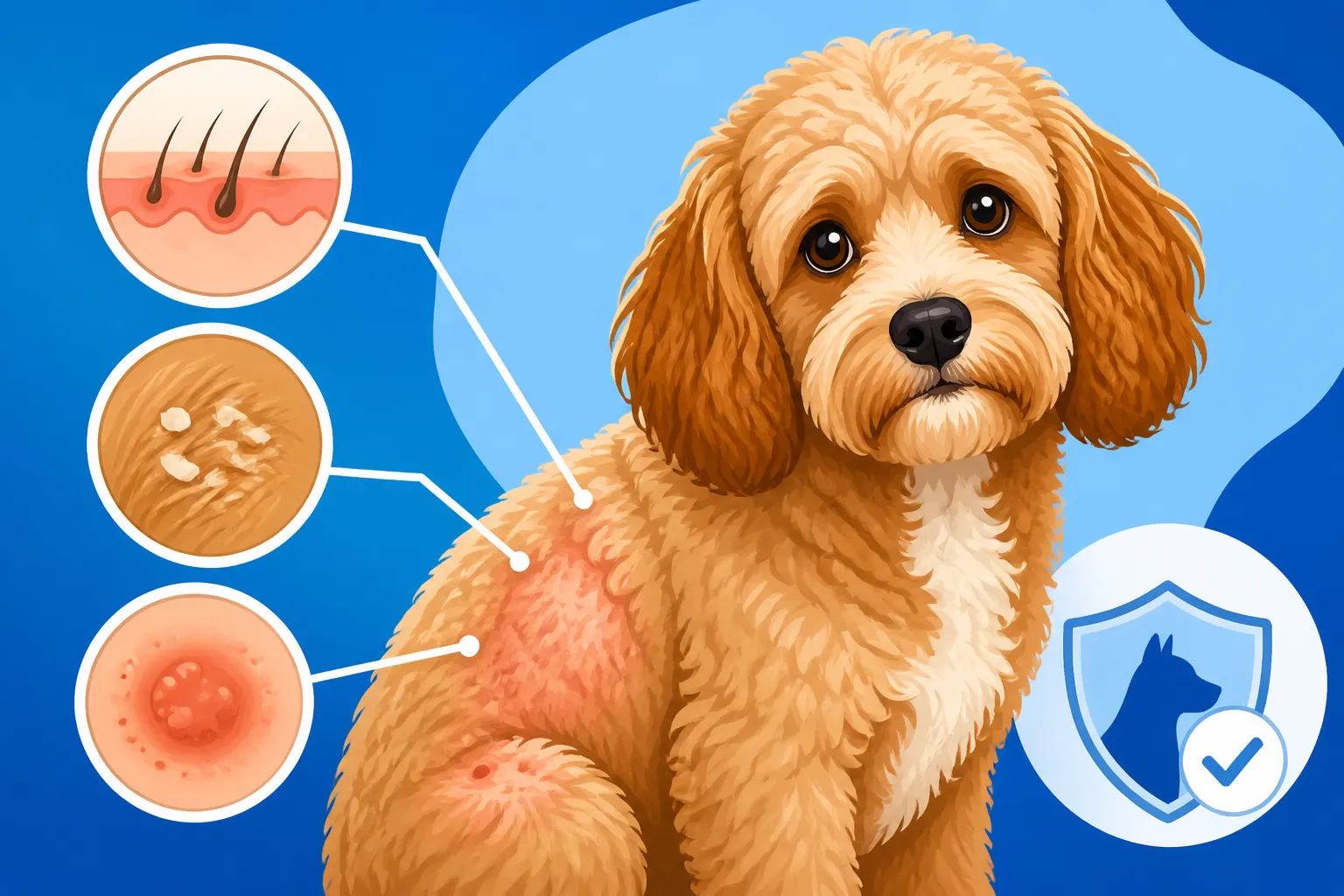
You’ll often notice a distinct, sweet, musty odor – sometimes described as smelling like corn chips or old socks. The skin will typically be red, itchy, greasy, and may have a thickened, elephant-like texture in chronic cases. Hair loss and scabbing are also common. Cockapoos with yeast infections often lick yeast into their feet, causing further irritation. Diagnosis is usually straightforward, involving a simple tape prep or skin scrape examined under a microscope by your vet. Treatment typically involves antifungal shampoos, wipes, and sometimes oral antifungal medications, which can make a huge difference, especially medicated baths help a Cockapoo get relief. Addressing the underlying cause, such as allergies, is also crucial to prevent recurrence.
Bacterial Skin Infections (Pyoderma)
Bacterial skin infections, or pyoderma, are another frequent secondary issue in Cockapoos. These often occur when the skin is repeatedly scratched or traumatized due to allergies, parasites, or matting, allowing normal skin bacteria (like Staphylococcus) to overgrow and penetrate the compromised skin barrier. Hot spots are a classic example of acute moist pyoderma, often triggered by intense scratching or licking in a localized area, where the skin quickly becomes raw, red, and oozing.
Symptoms of pyoderma include red bumps (papules), pus-filled bumps (pustules), crusting, scabs, hair loss, and sometimes a foul odor. The itching can be intense, perpetuating the self-trauma. Diagnosis is typically made through visual examination and sometimes cytology (examining skin cells under a microscope) or bacterial culture to identify the specific bacteria and determine the most effective antibiotic. Treatment almost always involves antibiotics, either topical or oral, and often medicated shampoos to help clear the infection and soothe the skin. It’s important to complete the full course of antibiotics, even if symptoms improve, to prevent antibiotic resistance and ensure the infection is fully resolved.
Fungal Infections and Ringworm
While less common than yeast or bacterial infections, fungal infections like dermatophytosis (ringworm, despite its name, is a fungus, not a worm) can also affect Cockapoos. Ringworm is highly contagious to other animals and humans and can cause circular patches of hair loss, redness, and scaling. It often presents with a characteristic "ring" appearance, though not always.
Other systemic fungal infections are rare but can occur and cause more generalized skin problems. Diagnosis of ringworm typically involves a fungal culture, a Wood's lamp (UV light) examination (though not all ringworm strains fluoresce), or a microscopic examination of hair shafts. Treatment can be lengthy and involves topical antifungal creams, medicated shampoos, and sometimes oral antifungal medications. Thorough cleaning and disinfection of the environment are essential to prevent reinfection and spread, as fungal spores can survive for a long time in carpets and bedding.
Parasitic Pests and Their Skin Havoc
Even the cleanest Cockapoo can fall victim to external parasites, which are not only irritating but can also transmit diseases and cause severe skin reactions. A proactive approach to parasite prevention is a cornerstone of good skin health.
Fleas, Ticks, and Mites
Fleas are a common bane for any dog owner. Even a single flea bite can cause intense itching in sensitive or allergic Cockapoos, leading to flea allergy dermatitis (FAD), where the dog reacts severely to flea saliva. Ticks, while not causing as much generalized itching, can transmit serious diseases and cause localized irritation at the bite site.
Mites are microscopic parasites that can cause a variety of skin conditions. Sarcoptic mites cause sarcoptic mange (scabies), leading to incredibly intense itching, redness, hair loss, and crusting, often starting on the ears, elbows, and hocks. Demodectic mites, on the other hand, are a normal inhabitant of dog skin, but in puppies or immunocompromised dogs, they can overgrow, causing demodectic mange. This usually presents as patches of hair loss, redness, and scaling, often around the face and forelegs, without the intense itchiness of sarcoptic mange.
Sarcoptic and Demodectic Mange
Diving deeper into mange, sarcoptic mange is a nightmare for dogs and their owners. The itching is so severe that affected Cockapoos can literally scratch themselves raw, leading to secondary bacterial infections. It's highly contagious and can even temporarily transfer to humans, causing itchy red bumps. Diagnosing sarcoptic mange can be challenging because the mites are often sparse on skin scrapes. A presumptive diagnosis is often made based on clinical signs and response to treatment.
Demodectic mange, while often less itchy, can be more persistent. Localized demodex usually resolves on its own, especially in puppies. Generalized demodex, however, requires diligent treatment, often with specific oral medications or dips, and careful monitoring as it can recur. Unlike sarcoptic mange, demodectic mange is generally not considered contagious to other animals or humans. Your vet will conduct skin scrapes to look for these mites, and the treatment plan will depend on the type and severity of the mange.
Preventative Measures and Treatment
The best defense against external parasites is a good offense. Regular use of broad-spectrum flea, tick, and mite preventatives is essential. These come in various forms, including oral tablets (like Bravecto, Simparica, Nexgard), topical spot-ons, and collars. Discuss with your veterinarian which product is best suited for your Cockapoo, considering their lifestyle, any existing health conditions, and your local parasite burden. Many pet insurance policies, such as those from Healthy Paws, cover diagnostic tests and treatments for illnesses resulting from flea and tick infestations, which can be a huge relief if your dog develops a severe reaction or an infection.
For active infestations, treatment involves eliminating the parasites on the dog and decontaminating the environment. This might include medicated baths, specific medications for mites, and thorough cleaning of bedding, carpets, and upholstery to remove eggs and larvae. Consistent prevention is key to avoiding the distress and health risks associated with these tiny but mighty pests.
Hormonal and Autoimmune Skin Conditions
Beyond allergies and external invaders, some skin and coat problems in Cockapoos stem from internal imbalances, such as hormonal disruptions or the body's immune system mistakenly attacking its own tissues. These conditions often require a more complex diagnostic and management approach.
Hypothyroidism's Impact on the Coat
Hypothyroidism, an underactive thyroid gland, is a surprisingly common endocrine disorder in dogs, and Cockapoos can inherit a predisposition to it from either parent breed. The thyroid hormones play a crucial role in metabolism and maintaining healthy skin and hair follicle function. When these hormones are deficient, a variety of symptoms can arise, including significant changes in the coat.
You might notice a dull, dry, brittle coat, often accompanied by excessive shedding, thinning hair, or even symmetrical hair loss (alopecia), especially on the flanks, tail ("rat tail"), and neck. The skin itself can become dry, flaky, thickened, and sometimes hyperpigmented. Other signs of hypothyroidism include weight gain despite no change in diet, lethargy, cold intolerance, and sometimes a "sad" facial expression. Diagnosing hypothyroidism involves blood tests to measure thyroid hormone levels. Fortunately, it's a very treatable condition with daily oral thyroid hormone supplementation. Many Cockapoos show dramatic improvement in their coat and energy levels within weeks of starting treatment. For a middle aged Cockapoo, it's certainly one of the first things a vet will check if you bring up coat changes or lethargy.
Sebaceous Adenitis in Cockapoos
Sebaceous adenitis (SA) is a rare but frustrating inflammatory autoimmune disease that affects the sebaceous glands in the skin, which are responsible for producing sebum (the skin's natural oils). While it's more commonly associated with Standard Poodles, it can certainly appear in Cockapoos due to their Poodle heritage. The immune system mistakenly attacks and destroys these glands, leading to a host of skin problems.
Symptoms vary but typically include dry, flaky skin, scaling, a dull and brittle coat, and progressive hair loss, often starting along the back and on the top of the head. In some cases, the skin can become thickened and develop follicular casts – waxy, silvery scales that cling to the hair shafts. The coat might appear matted or "felted" due to the excessive scaling and poor hair quality. Secondary bacterial infections are common because the skin's natural protective barrier is compromised. Diagnosis usually requires a skin biopsy. Treatment for sebaceous adenitis focuses on managing symptoms and inflammation, often involving medicated shampoos, emollients, retinoids, and sometimes immune-modulating drugs. While there's no cure, diligent care can help improve coat quality and comfort. It's definitely a condition that requires long-term commitment.
Other Inherited Skin Disorders
Beyond the more common conditions, Cockapoos, being a hybrid of two breeds, can inherit a spectrum of less common genetic skin disorders from either side. For example, some Cocker Spaniels can be predisposed to primary seborrhea, a chronic skin condition characterized by greasy or dry scaling and an abnormal keratinization process, which can lead to a foul odor and recurrent infections. Poodles can pass on predispositions to conditions like follicular dysplasia or even certain types of immune-mediated skin diseases.
Identifying these rarer conditions often requires extensive diagnostic work, including specialized biopsies and genetic testing. It underscores the importance of choosing a reputable breeder who conducts health screenings on their parent dogs for known breed-specific issues, even if it's not always possible to screen for every single potential genetic problem. If your Cockapoo presents with unusual or persistent skin symptoms that don't respond to conventional treatments, don't hesitate to ask your vet about more specialized dermatological investigations. This can sometimes lead to discovering a more complex underlying inherited condition.
Grooming Gone Wrong: Self-Inflicted Skin Problems
While many skin issues have underlying medical causes, a significant number of problems in Cockapoos are directly linked to improper or insufficient grooming. Their unique coat demands consistent, knowledgeable care, and neglecting it can lead to severe and painful skin conditions that are entirely preventable.
Matting and Its Consequences
Matting is perhaps the most common and devastating grooming-related skin issue in Cockapoos. That lovely, soft, wavy, or curly coat is incredibly prone to tangling. When neglected, these tangles quickly turn into dense, felt-like mats that pull on the skin, causing pain and restricting movement. This is especially true during the coat change that ambushes a Cockapoo owner at ten months, when their puppy coat is being replaced by the adult coat, making them incredibly prone to matting daily.
Beyond the discomfort, severe matting creates a perfect storm for skin problems. The mats trap moisture, dirt, and debris, creating an ideal environment for bacterial and yeast infections. They also prevent air circulation, leading to irritation and hot spots. Furthermore, mats can hide parasites, open sores, or even tumors, making it impossible for owners or vets to inspect the skin properly. Removing severe mats often requires shaving the dog down, a process that can be stressful, sometimes painful, and may reveal underlying skin issues that have been festering for weeks or months. This is why regular line brushing a Cockapoo and using the right tools, like a metal comb that finds mats a slicker misses, are so crucial.
Improper Bathing and Drying Techniques
Bathing seems simple enough, right? But for a Cockapoo, improper bathing and, more importantly, improper drying can directly contribute to skin problems. Using shampoos that are too harsh or not formulated for dogs can strip the skin of its natural oils, leading to dryness and irritation. Conversely, not thoroughly rinsing out all shampoo residue can leave an irritating film that causes itching and flaking.
The biggest culprit, however, is often insufficient drying. A Cockapoo's dense coat, especially if it's curly or wavy, can take a long time to dry completely. If left damp, particularly close to the skin, it creates a warm, moist environment ripe for bacterial and yeast overgrowth. This is often why hot spots develop rapidly after swimming or a bath if the dog isn't dried thoroughly. Learning to properly blow-dry your Cockapoo, ensuring the skin is completely dry down to the roots, is as important as the bath itself. Many groomers even use high-velocity dryers specifically to get through that thick coat and ensure complete drying.
Irritation from Tools and Products
Even with the best intentions, the wrong grooming tools or products can cause skin irritation. Dull clipper blades can pull hair, causing discomfort and clipper burn, a red, irritated rash. Using clippers incorrectly can also nick the skin. Harsh brushes, especially slicker brushes used too aggressively, can scratch the skin surface, leading to micro-abrasions that are susceptible to infection.
The choice of grooming products matters too. Some dogs react to certain perfumes, dyes, or ingredients in shampoos, conditioners, or detangling sprays. If your Cockapoo has sensitive skin or a history of allergies, opt for hypoallergenic, scent-free, and natural grooming products. Always patch-test new products on a small area of skin if you're concerned about a reaction. Additionally, ensure all tools are clean and sterilized to prevent the spread of bacteria or fungi. Your groomer can advise on what blade length suits a Cockapoo for different clips, ensuring comfort and health.
Diagnostic Journey and Treatment Options
When your Cockapoo is suffering from a skin issue, getting an accurate diagnosis is the first and most critical step. Skin problems can be complex, and what looks like one thing might actually be another, or a combination of issues.
Working with Your Vet to Pinpoint the Problem
The diagnostic process for skin and coat disease in a Cockapoo often begins with a thorough physical examination by your veterinarian. They’ll look for visible signs of irritation, hair loss, lesions, and unusual odors. Be prepared to provide a detailed history of your dog's symptoms, including when they started, what makes them better or worse, their diet, grooming routine, and any previous treatments.
Your vet will likely perform several diagnostic tests. These can include:
- Skin scrapes: To look for mites (like those causing sarcoptic or demodectic mange).
- Cytology: Examining cells collected from the skin (with tape, a swab, or impression smear) to identify yeast or bacterial overgrowth.
- Fungal cultures: To diagnose ringworm.
- Blood tests: To check for underlying systemic conditions like hypothyroidism or autoimmune diseases.
- Allergy testing: Either blood tests or intradermal skin tests, if environmental allergies (atopy) are suspected. Whether allergy testing a Cockapoo is worth it depends on the severity and chronicity of symptoms.
- Dietary elimination trial: If food allergies are on the table.
- Skin biopsy: In cases of unusual or non-responsive lesions, or suspected autoimmune conditions like sebaceous adenitis.
It's a journey, and sometimes it can take a few appointments and different tests to truly get to the bottom of things. Don't get discouraged if the first treatment doesn't work; skin conditions often require a process of elimination.
Medicated Shampoos, Sprays, and Oral Medications
Once a diagnosis is made, your vet will tailor a treatment plan. This often involves a combination of topical and systemic approaches:
- Medicated Shampoos: These are a cornerstone of treatment for many skin conditions, particularly bacterial and yeast infections. Ingredients like chlorhexidine (antibacterial), miconazole (antifungal), benzoyl peroxide (follicle flushing), or colloidal oatmeal (soothing) are common. Your vet will instruct you on the frequency and contact time required. They can be incredibly effective, and understanding whether medicated baths help a Cockapoo is crucial for long-term management.
- Topical Sprays, Mouses, and Wipes: These deliver medication directly to affected areas and can be useful for localized infections, hot spots, or to provide soothing relief for itchy skin. Steroid sprays, antibacterial/antifungal wipes, and hydrocortisone mousses are common examples.
- Oral Medications: For more widespread or severe conditions, oral medications are often necessary. This includes antibiotics for bacterial infections, antifungals for yeast or ringworm, corticosteroids for severe inflammation and itching, and newer anti-itch medications like Apoquel or Cytopoint for atopic dermatitis. Lifelong medication, as seen in cases of Addison's disease or hypothyroidism, helps manage those underlying conditions.
- Supplements: Omega-3 fatty acids, often in fish oil form, can significantly improve skin barrier function and reduce inflammation. Your vet might recommend these as an adjunct therapy.
Long-Term Management Strategies
Managing chronic skin conditions in a Cockapoo is often a marathon, not a sprint. It requires ongoing vigilance and a consistent routine. For conditions like atopy, lifelong management is usually necessary. This might involve regular medicated baths, continuous allergy medications (oral or immunotherapy), and strict environmental control to minimize allergen exposure.
For dogs prone to yeast infections, a regular bathing schedule with appropriate shampoos and ensuring thorough drying, particularly of the ears and paw pads, is essential. For those with sebaceous adenitis, the routine involves moisturizing treatments and gentle grooming to maintain skin integrity.
Understanding the specific needs of your Cockapoo's coat, whether it's prone to oiliness like a Cocker's or dryness like a Poodle's, will guide your choice of shampoos and conditioners. Regular vet check-ups are important to monitor progress, adjust medications, and catch any new issues early. Investing in pet insurance from providers like Healthy Paws can also offer peace of mind, as chronic conditions often involve recurring veterinary visits, medications, and specialized treatments, helping to offset those ongoing costs.
Preventative Care: Keeping Your Cockapoo's Coat Healthy
An ounce of prevention is truly worth a pound of cure when it comes to skin and coat health in Cockapoos. By establishing good habits early and being proactive, you can significantly reduce the likelihood of your furry friend suffering from uncomfortable skin issues.
Optimal Nutrition and Supplements
A healthy coat and skin start from within. Providing your Cockapoo with a high-quality, balanced diet that meets all their nutritional needs is paramount. Look for dog foods with easily digestible protein sources, healthy fats, and a good balance of vitamins and minerals. Some dogs, particularly those with sensitivities, might benefit from limited ingredient diets or novel protein sources.
Beyond a good base diet, certain supplements can be highly beneficial for skin health. Omega-3 and Omega-6 fatty acids, found in fish oil or flaxseed oil, are essential for maintaining a strong skin barrier, reducing inflammation, and promoting a shiny, healthy coat. Probiotics can also support gut health, which in turn can positively influence skin health by bolstering the immune system. Antioxidants, like Vitamin E, can help protect skin cells from damage. Always discuss any dietary changes or supplements with your veterinarian to ensure they are appropriate for your specific Cockapoo's needs, especially when considering whether omega oils help a Cockapoo with an existing condition.
Regular, Proper Grooming Practices
This cannot be stressed enough: consistent and correct grooming is non-negotiable for a Cockapoo's skin and coat health.
- Daily Brushing: This is your first line of defense against matting. Use a pin brush followed by a metal comb to ensure you get down to the skin and remove any tangles or loose hair. Focus on high-friction areas like behind the ears, armpits, and groin.
- Regular Baths: The frequency depends on your dog's activity level and coat type, but typically every 2-4 weeks is sufficient. Use a high-quality dog-specific shampoo and conditioner. Remember the critical importance of thorough drying to prevent skin infections.
- Professional Grooming: Schedule professional grooming appointments every 6-8 weeks, even if you do some grooming at home. A professional can manage dense coats, trim hair around the eyes and paw pads, and identify potential skin issues you might miss. They know how to handle what each Cockapoo coat type costs at the groomer, making sure your dog gets the specific care it needs.
- Ear Care: Cockapoos are prone to ear infections due to their floppy ears. Regularly check their ears for redness, odor, or discharge, and clean them with a vet-approved ear cleaner. Trimming or plucking hair from the ear canal (if recommended by your vet) can improve air circulation.
Environmental Control and Routine Vet Checks
Minimizing exposure to environmental allergens and irritants can go a long way in preventing flare-ups. This includes regular vacuuming, washing your dog's bedding frequently, and avoiding strong chemical cleaners. During peak allergy seasons, consider wiping your Cockapoo's paws and coat after outdoor excursions to remove pollen.
Routine veterinary check-ups are not just for vaccinations; they're an opportunity for your vet to perform a full physical exam, including a thorough check of your Cockapoo's skin and coat. Early detection of any lumps, bumps, or changes in skin texture can lead to quicker diagnosis and more effective treatment. Discuss any minor concerns you have, even if they seem insignificant, as they could be early signs of a developing problem. Remember, a proactive approach to health care can save both you and your Cockapoo a lot of discomfort and expense in the long run.
Disclaimer
This article is for general informational purposes only and does not constitute professional advice. Laws, prices and regulations vary by location and change over time. Consult a qualified professional for guidance on your specific situation.