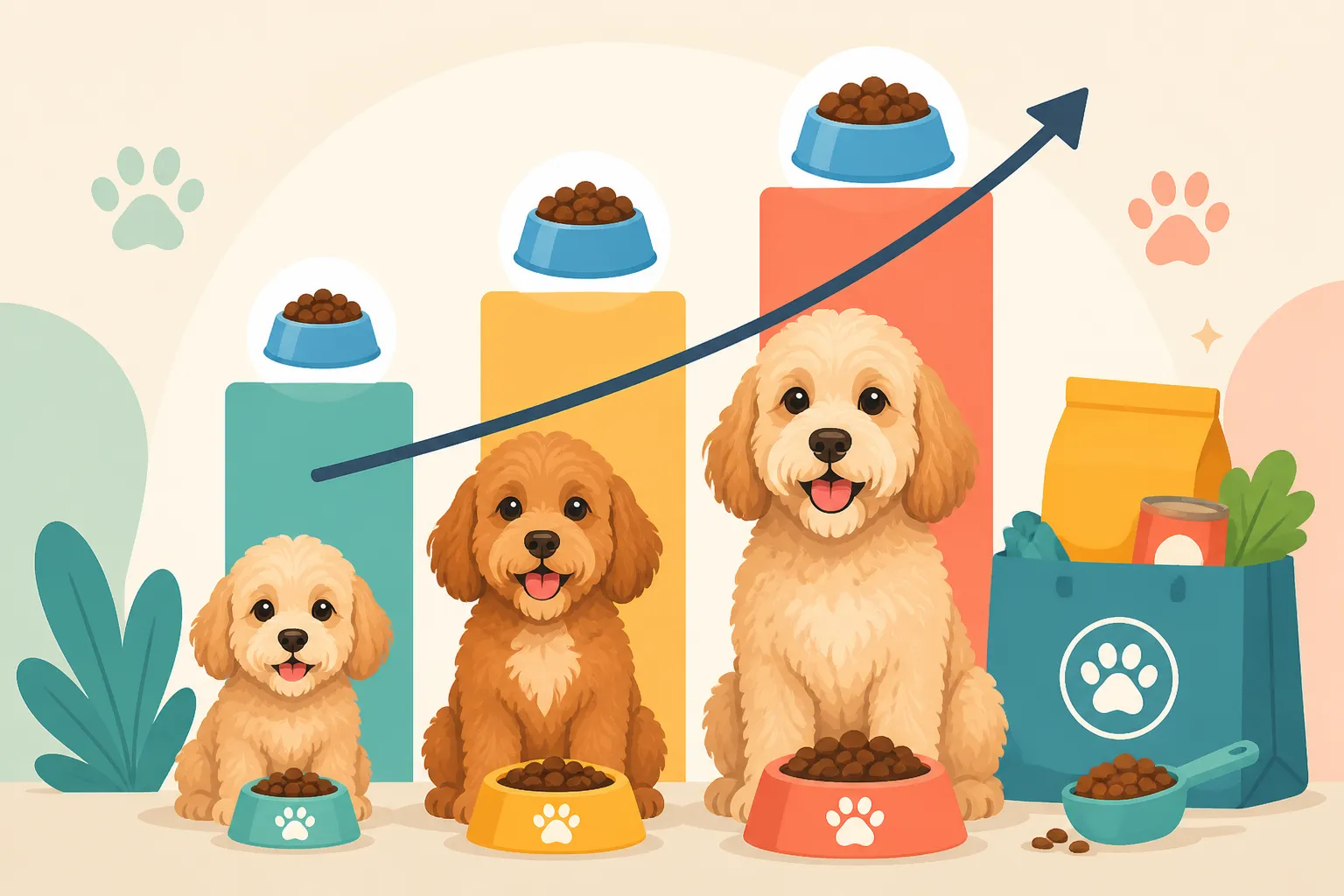
What a Month of Food Costs by Cockapoo Size
It can be truly bewildering to figure out how much you'll actually spend on your Cockapoo's food each month. With so many choices out there – from budget-friendly kibble to gourmet fresh meals – and the varying sizes of Cockapoos, it’s not just a simple calculation. This guide aims to demystify the monthly food costs for your beloved Cockapoo, helping you understand the factors at play and providing realistic estimates based on their size and dietary needs.
Understanding Cockapoo Sizes and Their Nutritional Needs
The Cockapoo isn't a one-size-fits-all breed, and neither are their nutritional requirements. These delightful dogs come in a range of sizes, primarily influenced by the Poodle parent involved in their breeding. Each size category has distinct caloric and nutrient needs, which directly impact how much food they consume and, consequently, your monthly expenditure. It’s not just about the volume of food, but also the density of nutrients and the type of diet best suited for their particular metabolism and energy levels.
Teacup and Toy Cockapoos: Small But Mighty Appetites
These tiny bundles of joy, often weighing under 12 pounds, might seem like they eat next to nothing, but don't let their small stature fool you. Teacup and Toy Cockapoos have incredibly fast metabolisms. They burn through calories much quicker than their larger counterparts, often needing more frequent meals or a higher caloric density per serving to maintain their energy levels and body condition. It’s a common misconception that smaller dogs are always cheaper to feed. While they might eat less volume, the quality and density of their food are crucial. Owners often find themselves investing in higher-quality, more nutrient-dense foods to ensure their small companions thrive. These smaller dogs also tend to have smaller mouths, which can sometimes mean specific kibble sizes are preferred. Feeding a Teacup Cockapoo is an art in itself, often requiring careful portion control to avoid both undereating (which can lead to hypoglycemia in very small puppies) and overeating (which can quickly lead to obesity).
Miniature Cockapoos: The Balanced Middle Ground
The Miniature Cockapoo typically falls in the 13 to 18-pound range, representing a balanced middle ground in terms of size and activity. They still possess a lively spirit and require a good amount of exercise, but their metabolism isn't quite as frenetic as the tiny Teacups. Their food requirements are generally more predictable, often aligning with standard recommendations for small to medium-sized breeds. Owners of Miniature Cockapoos will find a wider array of food options readily available that meet their needs without necessarily requiring specialized formulas. However, maintaining a healthy weight is still paramount, and careful attention to portion sizes is key. It's easy for even a Miniature Cockapoo to pack on extra pounds if fed too generously, which can lead to a host of health issues down the line. To get more specific guidance on their diet, you might want to look at Feeding a Miniature Cockapoo.
Maxi Cockapoos: Hearty Eaters, Specific Needs
Maxi Cockapoos, weighing 19 pounds and up, are the largest of the Cockapoo family. These are robust dogs with substantial energy levels, and they naturally require a greater quantity of food to fuel their larger bodies and active lifestyles. While their metabolism might be slower than a Teacup's, their sheer size means they consume more total calories each day. Owners of Maxi Cockapoos will notice larger bag sizes of kibble disappearing more quickly, leading to a higher overall monthly cost in terms of volume. It's also important to consider that larger dogs, especially growing puppies, have specific needs for joint support and controlled growth rates to prevent developmental orthopedic issues. This might mean selecting formulas designed for large breed puppies and adults, which can sometimes come at a higher price point. Understanding Feeding a Maxi Cockapoo is vital for their long-term health and well-being.
Factors Influencing Monthly Food Costs for Your Cockapoo
Beyond just the size of your Cockapoo, several critical factors directly impact how much you'll spend on their food each month. Navigating the world of dog food can feel like a maze, with endless brands, ingredients, and feeding philosophies. Making informed choices here can significantly affect both your budget and your Cockapoo's health.
Type of Food: Kibble, Wet, Fresh, or Raw
The biggest driver of cost is often the type of food you choose.
-
Dry Kibble: This is generally the most economical option. Kibble comes in a vast range of qualities and price points, from budget-friendly grocery store brands to premium, grain-inclusive, or grain-free formulas with high-quality protein sources. While a large bag of standard kibble might last a small Cockapoo for months, even the most expensive premium kibble is usually cheaper per serving than wet, fresh, or raw options. However, not all kibble is created equal, and choosing a reputable brand with good ingredients is important for your Cockapoo's health. You can delve deeper into What Kibble Costs for a Cockapoo to understand the range.
-
Wet Food: Often mixed with kibble as a 'topper' or fed as a standalone meal, wet food is significantly more expensive than kibble per serving. Its higher moisture content means you're paying for water, and the canning process adds to the production cost. While palatable and sometimes beneficial for hydration or picky eaters, a full wet food diet for even a Toy Cockapoo can quickly become very costly.
-
Fresh/Lightly Cooked Food: Services like Ollie have popularized fresh, human-grade dog food delivered to your door. This option offers excellent nutrition and palatability, but it comes at a premium. These meals are prepared with fresh ingredients, often gently cooked, and portioned for your dog. While fantastic for many dogs, the convenience and quality mean a considerably higher monthly expense compared to kibble. Whether Fresh Food Is Affordable at Cockapoo Portions is a common question, and for many, the answer depends heavily on their budget.
-
Raw Food: Proponents of raw feeding believe it mimics a dog's ancestral diet. Raw diets, typically consisting of raw meat, bones, and organs, can be prepared at home or purchased commercially. Commercial raw diets are typically frozen and can be quite expensive, often rivaling or exceeding the cost of fresh food delivery services. Home-prepared raw diets can be cheaper, but require extensive research and careful balancing of nutrients to avoid deficiencies, which can lead to significant health problems.
Brand and Ingredient Quality: You Get What You Pay For
The brand you choose plays a huge role in cost. Generic brands often use less expensive fillers and lower-quality protein sources, resulting in a lower price tag. Premium brands, on the other hand, boast high-quality animal proteins, wholesome grains or starches, beneficial fats, and often exclude artificial colors, flavors, or preservatives. These ingredients cost more for manufacturers, and that cost is passed on to the consumer. For instance, a small bag of a highly regarded brand known for its transparent sourcing might cost as much as a large bag of a conventional brand. While the upfront cost is higher for premium foods, many owners find their dogs thrive, with better coat condition, energy levels, and fewer digestive issues, potentially saving on vet bills in the long run.
Dietary Needs and Sensitivities
Some Cockapoos, unfortunately, develop food allergies or sensitivities, requiring specialized diets. These prescription diets, or limited-ingredient diets designed for sensitivities, are almost always more expensive than standard dog food. If your Cockapoo needs a hydrolyzed protein diet or a specific novel protein source, expect to pay a premium. Additionally, if your Cockapoo needs specific supplements for joint health, skin issues, or other concerns, that's an added monthly cost. It’s worth exploring Whether a Cockapoo Needs Supplements with your vet if you suspect a deficiency or if they have specific health challenges.
Estimating Your Monthly Food Budget by Cockapoo Size
When we talk about what a month of food costs for your Cockapoo, it's really a sliding scale. There's no single magic number, but we can certainly break it down by size and the general type of food you opt for. These are estimates, of course, and the actual figures will vary based on specific brands, your location, and even sales or subscription discounts you might find. Think of these as guides to help you plan.
Teacup and Toy Cockapoo Food Costs
For these smallest Cockapoos (roughly 6-12 pounds), their daily caloric intake is relatively low, meaning a bag of food lasts a long time. However, as mentioned, they often benefit from higher-quality, nutrient-dense options.
- Budget Kibble: If you choose a widely available, value-brand kibble, you might spend the least. However, ensure it still meets basic nutritional standards.
- Mid-Range Kibble: A more common choice, offering a better balance of ingredients without breaking the bank. A small bag (around 5-10 lbs) could last well over a month.
- Premium Kibble: Opting for top-tier dry food with specialized ingredients. These will be pricier per pound, but still economical compared to other food types.
- Fresh/Raw Food: If you go with fresh meal services, even for a tiny dog, the cost per day can add up quickly. A service like Ollie would tailor portions, but the inherent cost of fresh ingredients makes it a significantly larger investment.
Remember, even small dogs can be prone to weight gain if overfed, so meticulous portion control is essential for Keeping a Cockapoo's Weight in Range.
Miniature Cockapoo Food Costs
Miniature Cockapoos (roughly 13-18 pounds) represent a sweet spot where they eat enough to make larger bags more economical, but not so much that premium options become completely prohibitive.
- Budget Kibble: A larger bag (15-20 lbs) would easily last over a month, keeping costs very low.
- Mid-Range Kibble: This is often the sweet spot for Miniature Cockapoo owners, balancing quality and cost effectively. A 15-20 lb bag might last 4-6 weeks.
- Premium Kibble: For owners prioritizing top-tier nutrition, a slightly larger initial investment in a 15-20 lb bag will still offer good value, lasting a similar duration.
- Fresh/Raw Food: While still a considerable expense, it might feel slightly more manageable than for a Maxi Cockapoo, but still a significant leap from kibble. The portions will be larger than a Teacup, increasing the overall cost.
Maxi Cockapoo Food Costs
Maxi Cockapoos (19 pounds and up) are hearty eaters. Their larger size means they'll go through food more quickly, necessitating more frequent purchases or larger, more economical bulk buys.
- Budget Kibble: This might be the most feasible budget option for many Maxi Cockapoo owners, as the volume required means even a small price difference per pound adds up fast. Expect to go through a 25-30 lb bag in 3-4 weeks.
- Mid-Range Kibble: This is a good compromise, but the monthly cost will naturally be higher due to the sheer amount consumed.
- Premium Kibble: Investing in premium kibble for a Maxi Cockapoo means a significant monthly budget allocation, as you'll likely be buying large bags regularly.
- Fresh/Raw Food: For Maxi Cockapoos, fresh or raw food diets often represent the highest end of the spectrum. The daily volume required means the monthly bill can be substantial, often running into several hundred dollars.
Here’s a simplified table to give you a rough idea of how monthly food costs might break down by Cockapoo size and food type. Please remember these are broad estimates and will vary significantly based on specific brands, regions, and whether you're taking advantage of sales or subscription services.
| Cockapoo Size | Food Type | Estimated Monthly Cost (Low) | Estimated Monthly Cost (High) |
|---|---|---|---|
| Teacup (6-10 lbs) | Budget Kibble | Inquire with brands | Inquire with brands |
| Mid-Range Kibble | Inquire with brands | Inquire with brands | |
| Premium Kibble | Inquire with brands | Inquire with brands | |
| Fresh/Raw Food | Inquire with brands | Inquire with brands | |
| Toy (11-12 lbs) | Budget Kibble | Inquire with brands | Inquire with brands |
| Mid-Range Kibble | Inquire with brands | Inquire with brands | |
| Premium Kibble | Inquire with brands | Inquire with brands | |
| Fresh/Raw Food | Inquire with brands | Inquire with brands | |
| Miniature (13-18 lbs) | Budget Kibble | Inquire with brands | Inquire with brands |
| Mid-Range Kibble | Inquire with brands | Inquire with brands | |
| Premium Kibble | Inquire with brands | Inquire with brands | |
| Fresh/Raw Food | Inquire with brands | Inquire with brands | |
| Maxi (19+ lbs) | Budget Kibble | Inquire with brands | Inquire with brands |
| Mid-Range Kibble | Inquire with brands | Inquire with brands | |
| Premium Kibble | Inquire with brands | Inquire with brands | |
| Fresh/Raw Food | Inquire with brands | Inquire with brands |
Tips for Managing Your Cockapoo's Food Expenses Without Compromising Health
It's natural to want the best for your Cockapoo, but that doesn't mean you have to break the bank. There are smart ways to manage food costs, ensuring your furry friend gets excellent nutrition without causing undue stress on your wallet.
Smart Shopping Strategies: Subscriptions and Bulk Buying
One of the easiest ways to save money on dog food is through smart shopping. Many online retailers, like Chewy, offer subscription services that not only ensure you never run out of food but often come with a discount on each order. This can lead to significant savings over time, especially for larger bags of kibble or recurring orders of wet food. Buying in bulk, if you have the storage space, can also reduce the per-pound cost. Just be mindful of expiration dates and proper storage to maintain freshness. Always check for loyalty programs or frequent buyer discounts at your local pet store, too.
Reading Labels and Understanding Ingredients
Don't just grab the bag with the cutest dog on it! Learning to read dog food labels is a superpower for any pet owner. Look for real meat as the first ingredient, rather than meat by-products or vague "meat meal" descriptions. Understand the difference between fillers like corn or soy (which aren't necessarily bad in moderation but offer less nutritional punch than whole grains or vegetables) and nutrient-rich carbohydrates. Knowing what constitutes a good ingredient list empowers you to choose a high-quality food that fits your budget, rather than just buying the most expensive option assuming it's the best. A deeper dive into Whether a Cockapoo's Coat Feels Oily at the Roots might also reveal how diet can impact skin and coat health, further emphasizing the importance of quality ingredients.
Avoiding Unnecessary Extras and Monitoring Treats
While it's tempting to spoil our Cockapoos with endless treats and table scraps, these extras not only add to your monthly food bill but can also lead to obesity and an unbalanced diet. Treats should be given in moderation and chosen carefully. Consider making your own healthy, low-cost treats at home, like baked sweet potato slices or small pieces of plain cooked chicken. If your Cockapoo tends to gain weight easily, reducing treats and being strict with portion control for their regular meals is crucial. Sometimes, a healthy weight can prevent costly vet visits down the line, an expense that a good pet insurance like Healthy Paws can help with if unexpected illnesses or accidents occur. For specific guidance on daily portions, especially for smaller dogs, refer to The Daily Ration for a Toy Cockapoo.
Consulting Your Veterinarian for Personalized Advice
Every Cockapoo is unique, and what works best for one might not be ideal for another. Your veterinarian is an invaluable resource for personalized dietary advice. They can help you determine the appropriate caloric intake for your Cockapoo's age, activity level, and health status. If your dog has specific health issues, allergies, or is recovering from an illness, your vet can recommend therapeutic diets or specific supplements that can make a huge difference. Don't hesitate to discuss your budget constraints with them; they can often suggest high-quality, cost-effective options or strategies to make premium diets more affordable. This professional guidance ensures your Cockapoo receives optimal nutrition without undue financial strain. After all, the cost of What a Cockapoo Costs Before Its First Birthday often includes a comprehensive vet check, which is the perfect time to discuss these feeding plans.
It is easy to get overwhelmed by the costs associated with owning a dog, and food is one of the biggest recurring expenses. By understanding the different factors that influence these costs and adopting smart spending habits, you can provide your Cockapoo with a nutritious diet that supports their health and happiness for years to come. And while we're talking about costs, don't forget that puppies are especially adept at finding things to chew. You might be surprised at What a Cockapoo Puppy Chews Through in Six Months, so factor in some extra budget for durable toys!
Disclaimer
This article is for general informational purposes only and does not constitute professional advice. Laws, prices and regulations vary by location and change over time. Consult a qualified professional for guidance on your specific situation.